Jewish Cemetery
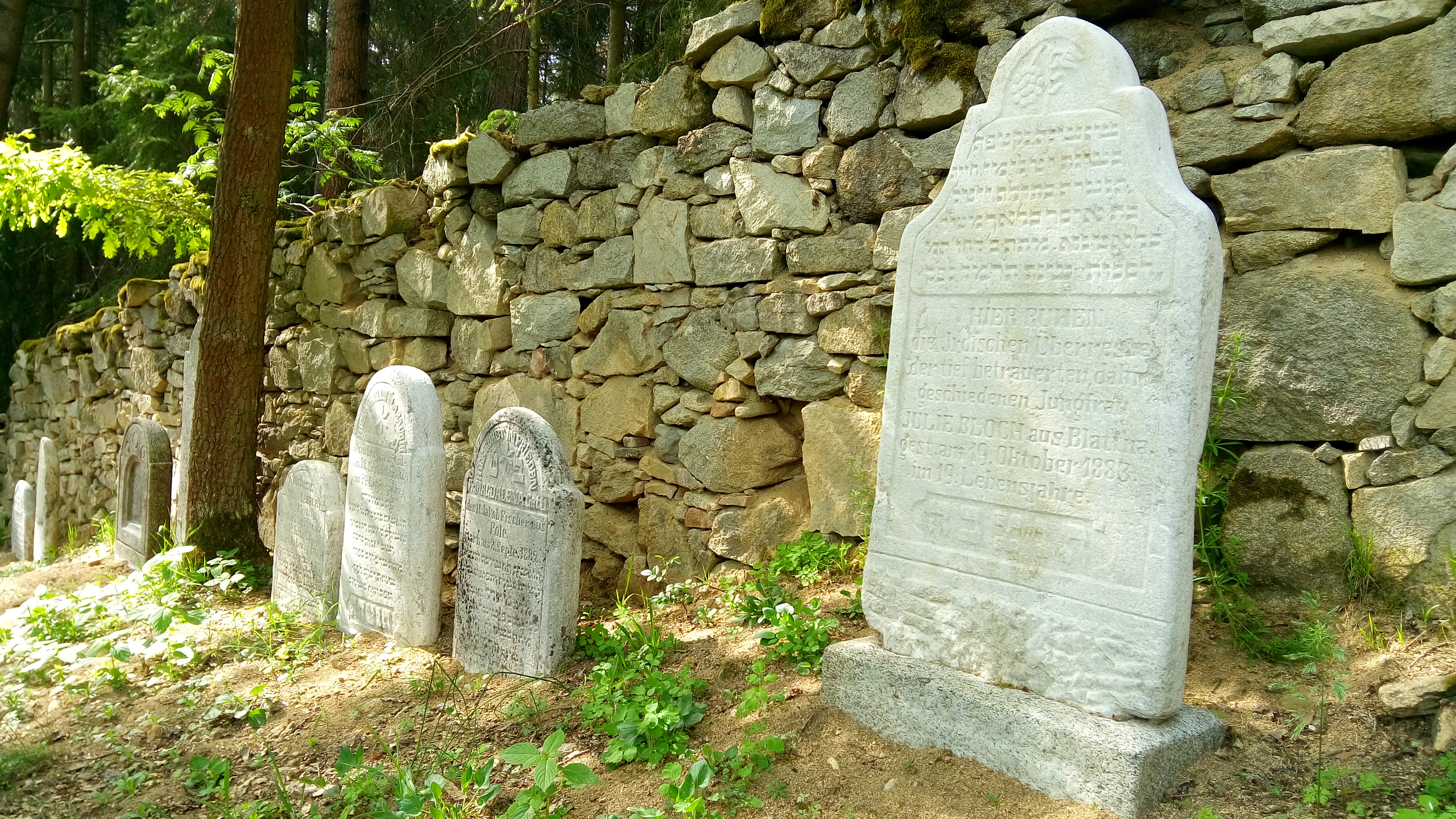
Burials here date back to 1668. Today the cemetery contains approximately 172 tombstones in Baroque and Neo-Classical styles.
About the cemetery
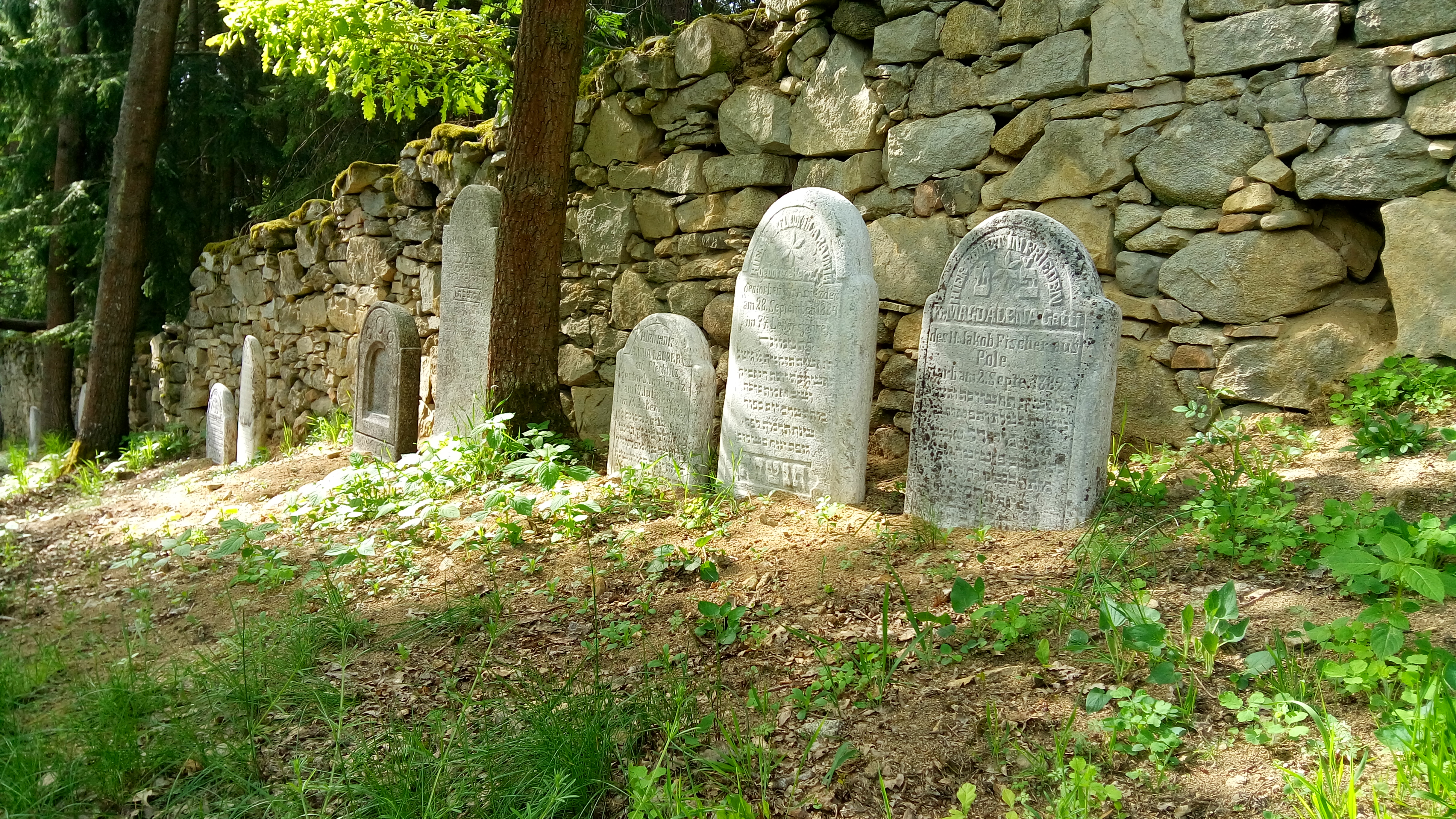
The Slatina Jewish cemetery lies about 1 km north of the village green, in a forest west of the road leading to Chanovice and Bezděkov. Measuring 58 × 28 metres, it covers an area of 1,624 m² and is enclosed by a 2-metre stone wall, now considerably deteriorated.
The cemetery is the final resting place of many generations of Slatina's Jews, as well as Jews from the wider region, including prominent figures, community leaders and learned rabbis. Jews from Slatina and the surrounding area were buried here from as early as 1668. It was not until 9 March 1723 that the then owner of Slatina, Václav Ferdinand Kunáš of Machovice, officially granted the local Jews permission to establish a cemetery. According to the founding deed, the cemetery was to measure 8 × 8 sáhů (approximately 15 × 15 metres). The Jews undertook to pay 50 Rhenish gulden for the land and to have it enclosed at their own expense. They were further obliged to pay into Kunáš's income 45 krajcars for each adult body, and 1 gulden for any person from outside the community. For a child under the age of one year the fee was 25 krajcars; for a child between 1 and 3 years, 45 krajcars.
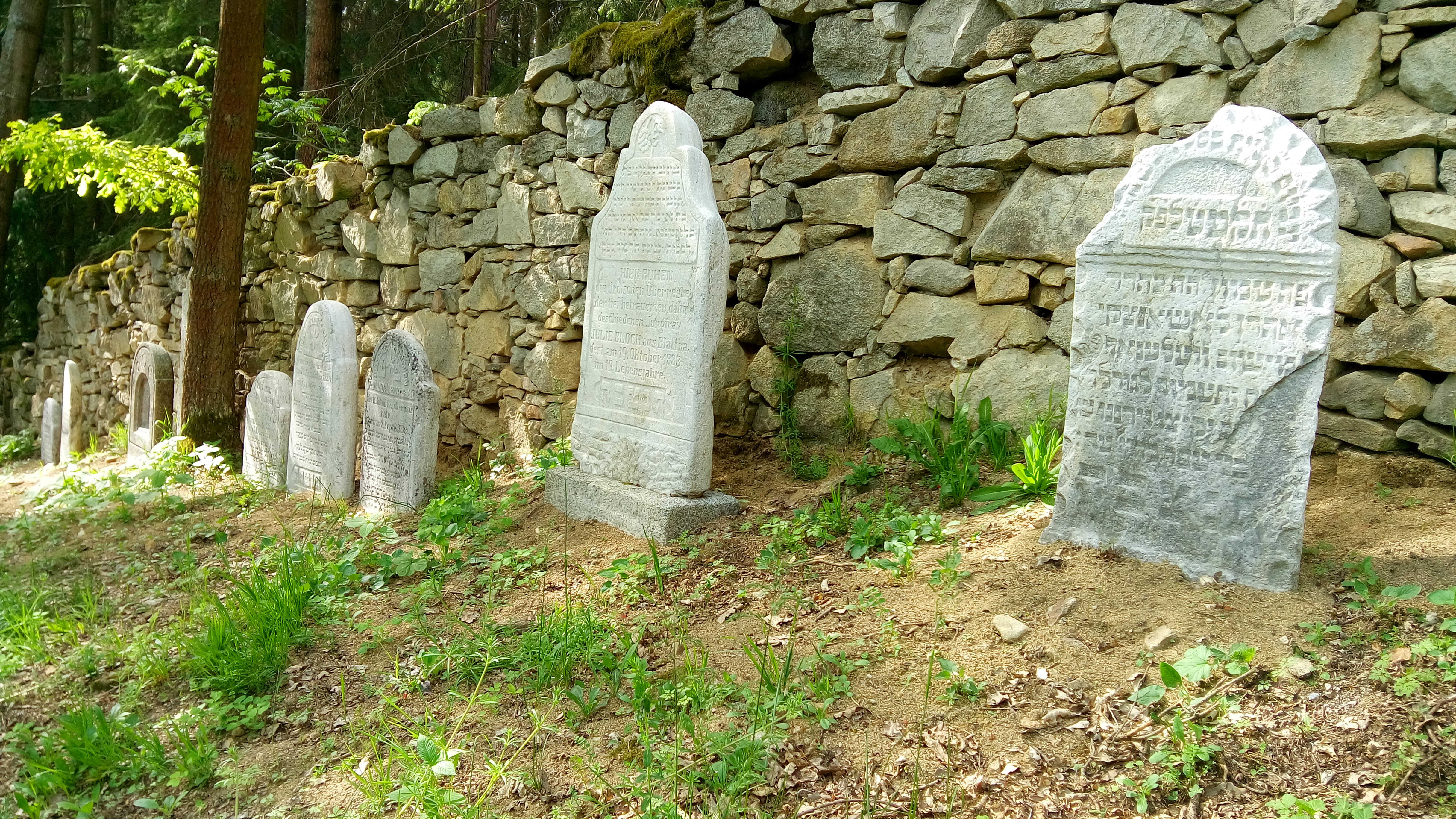
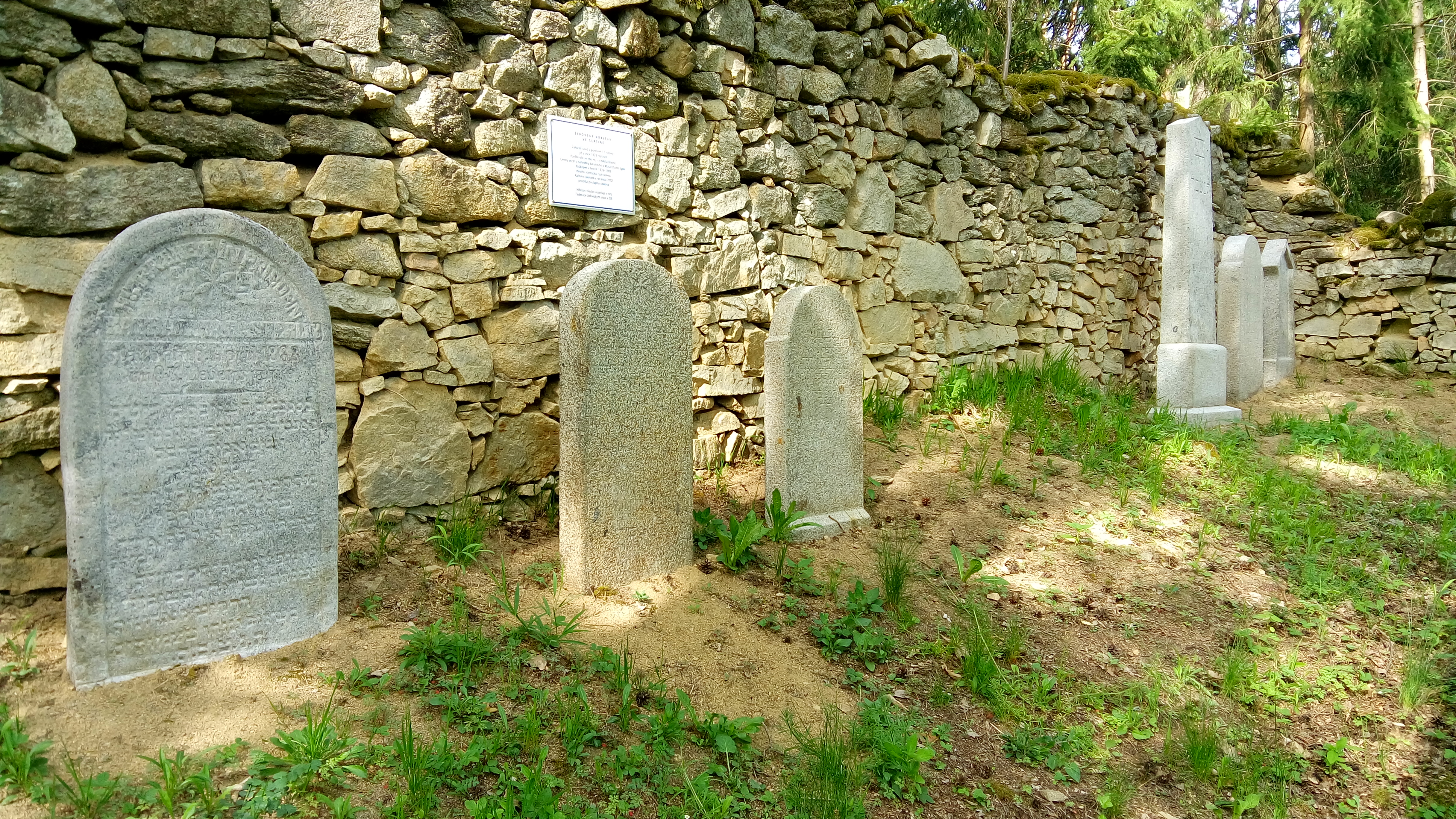
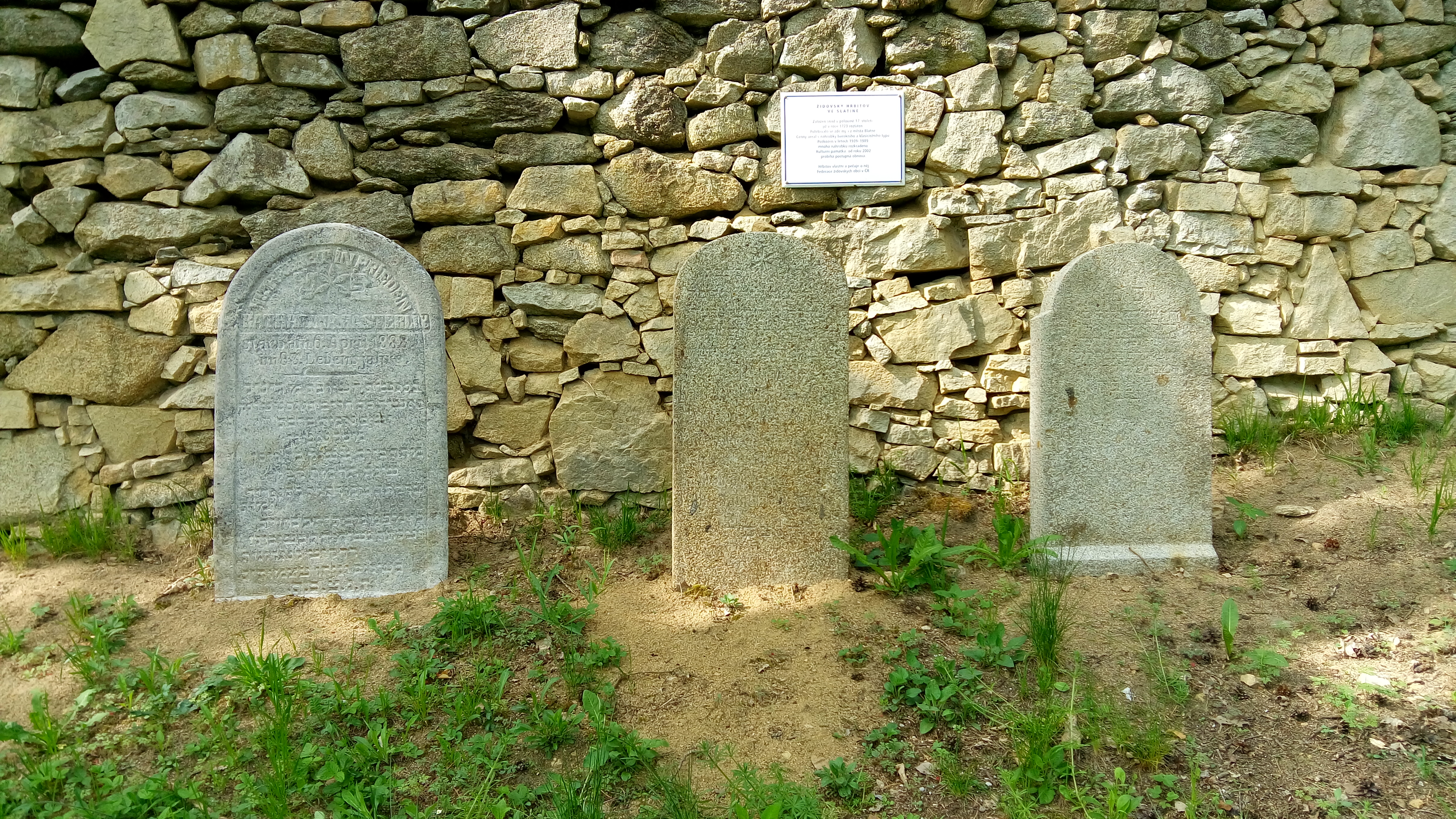
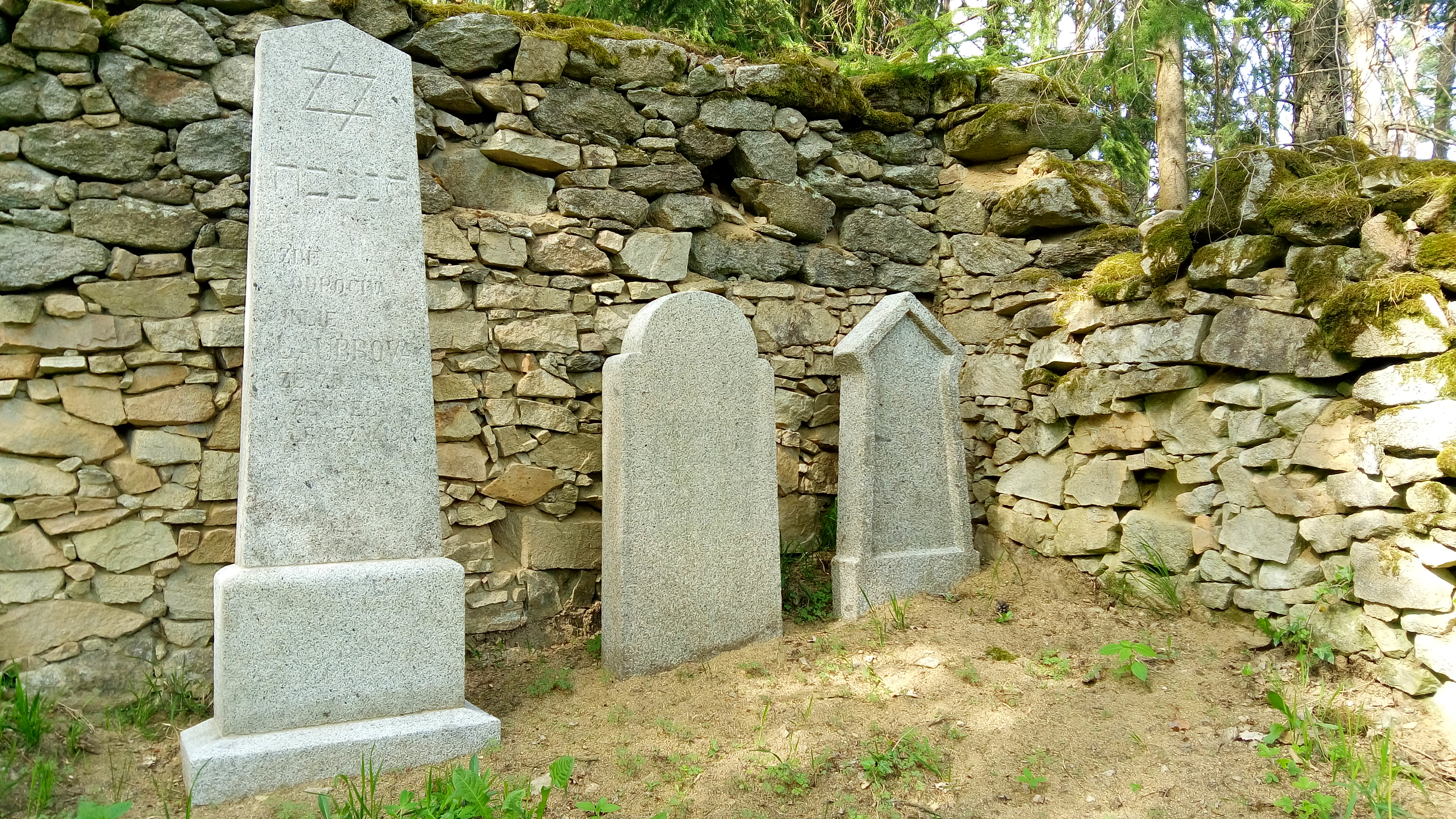
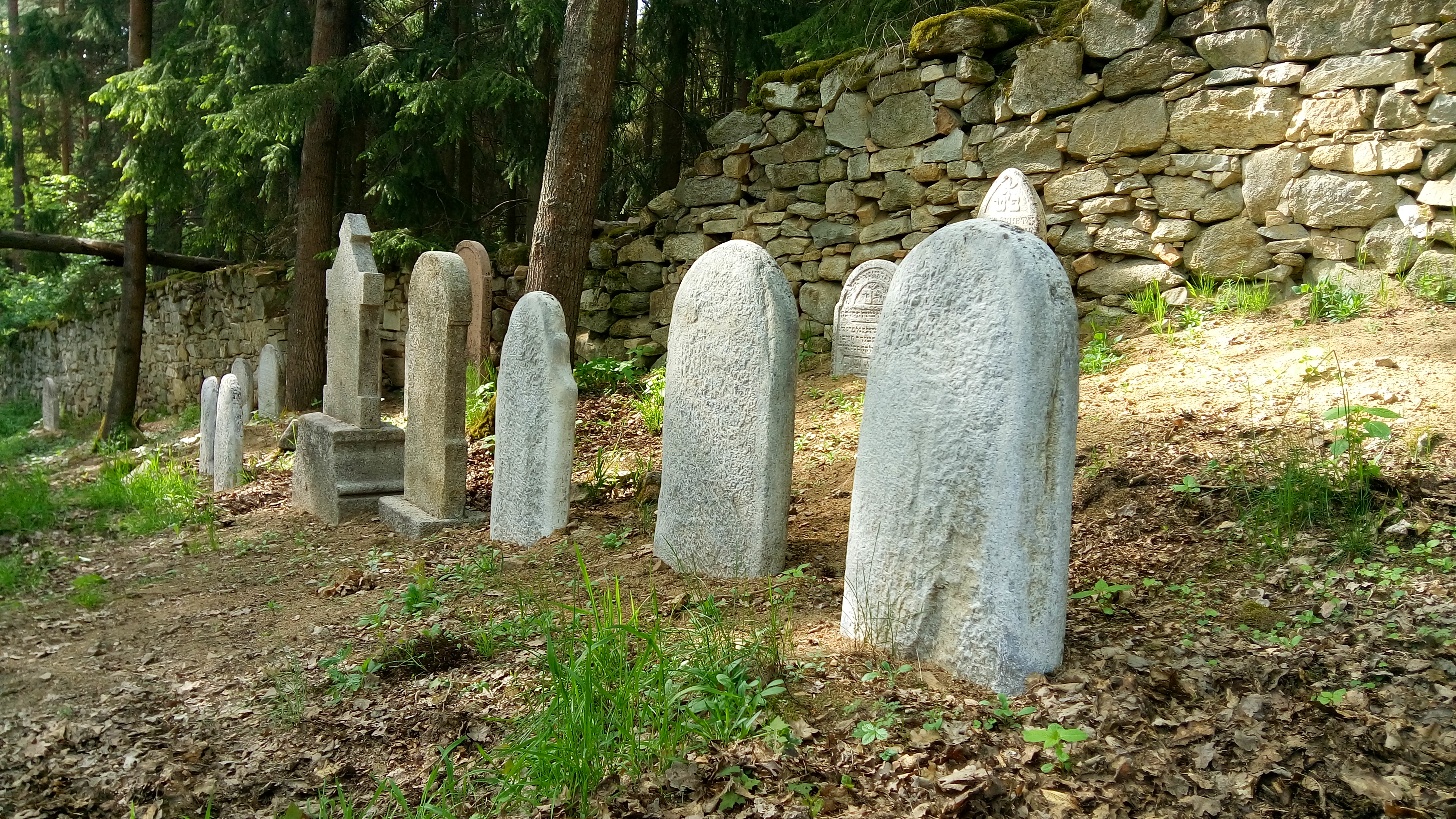
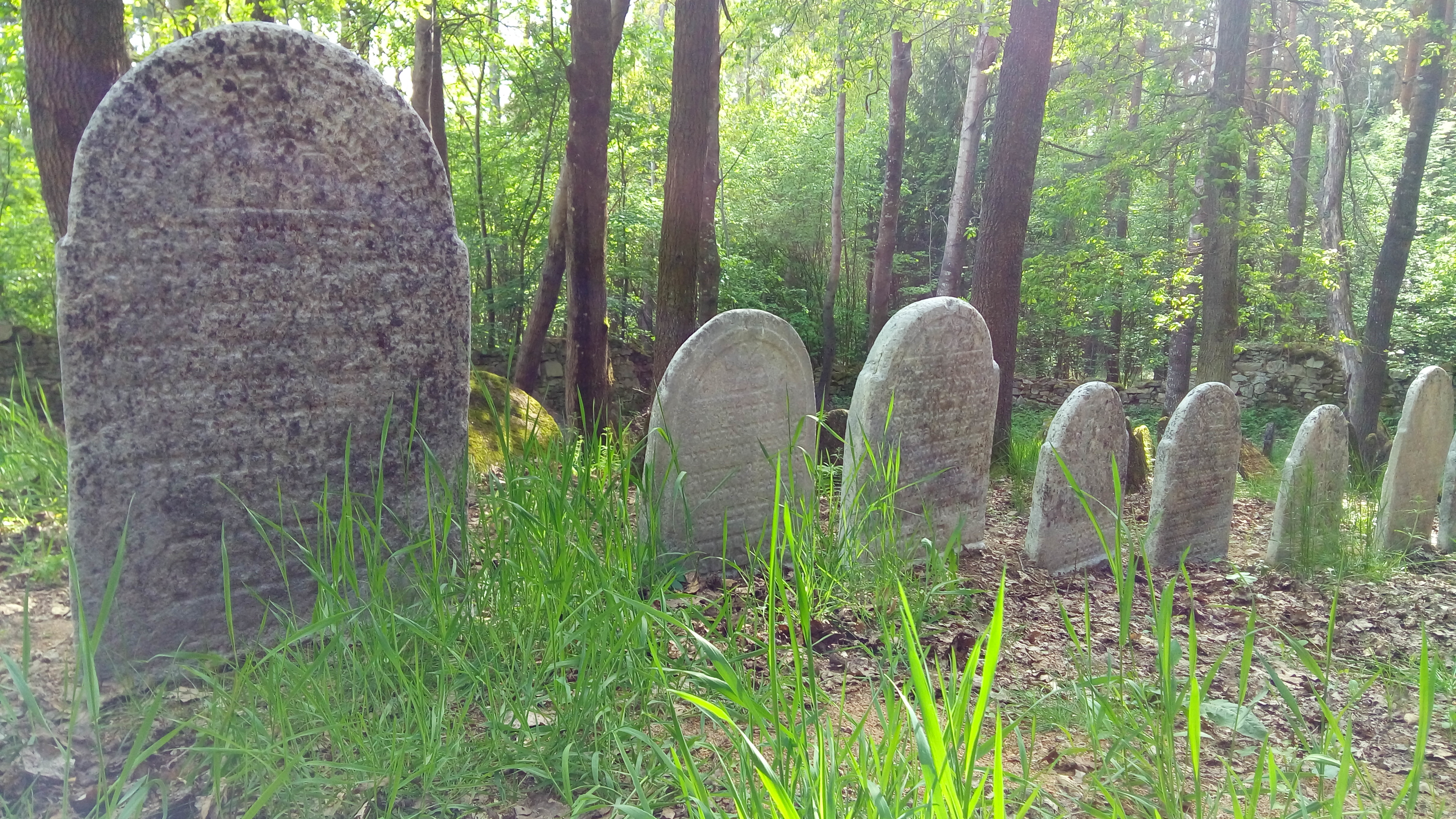
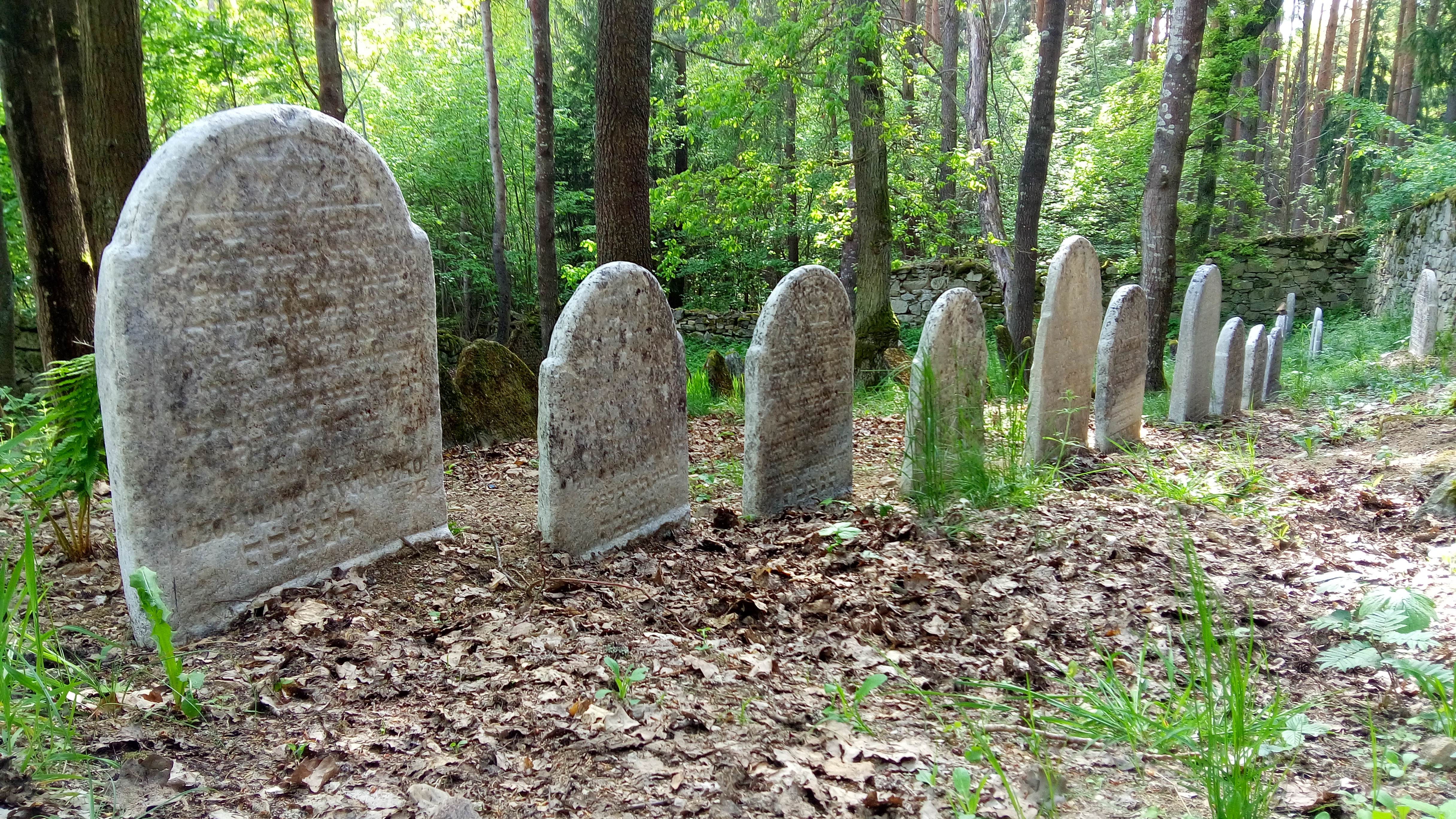
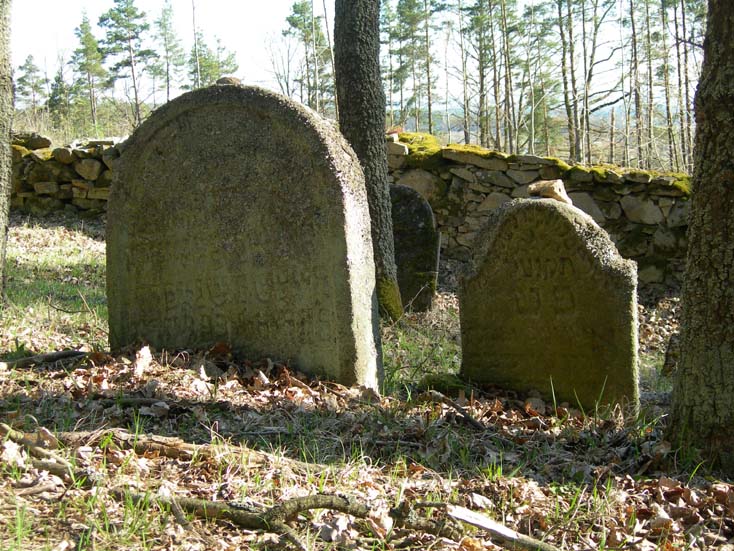
Due to lack of space, the cemetery was later expanded to its current 58 × 28 metres. A new perimeter stone wall was built and a plaque with a Hebrew inscription was placed above the entrance. Today approximately 172 tombstones in Baroque and Neo-Classical styles survive at the cemetery. The headstones (Heb. matzevot) are of two types: plain granite stelae without ornamentation, now largely illegible, and limestone stelae usually topped with an arch and decorated with stylised floral folk motifs. The oldest legible tombstone dates from the mid-18th century.
Burial customs and religious significance
Burying the dead in the earth is one of the fundamental commandments of Judaism, and the places where the remains of ancestors lie must be shown extraordinary respect in accordance with Jewish religious tradition. Any inappropriate conduct in the cemetery is forbidden (including eating and drinking or the entry of animals). Of immense importance is the Talmudic commandment by which the deceased are guaranteed the inviolability of their graves for eternity. Observance of this commandment has shaped to this day the distinctive character of Jewish cemeteries and their inimitable atmosphere.
Burials took place at sunset. The deceased rested on an open bier in a plain box resembling a coffin. The grave was often lined with unplaned boards. There were no wreaths or flowers. The rabbi delivered a funeral eulogy only over outstanding members of the community who had distinguished themselves in faith or public service. According to tradition, the head of the deceased was to face east, towards Jerusalem, whence resurrection would come. This tradition was not observed at the Jewish cemetery in Slatina.
The last burial here took place in 1937.
Hebrew inscription above the entrance
Above the cemetery entrance gate was placed a plaque with a Hebrew inscription, transcribed as "BAIS MOUEVITS L'CHOLCHAI. KHI UFOR ATHU VAEL UFOR THOŠUF", which translates as:
"House of assembly of all the living. Dust and earth you are, and to dust and earth you shall return."
Photo gallery
Photographs from 2016 documenting the tombstones and overall state of the cemetery.